Fairness, Accountability and Agency in Employment Systems
A system rejected you. No one will tell you why.
FAAES is an independent research and advisory initiative on automated hiring. We document lived experience, conduct independent research, and convene scholars to build the evidence base for fairness, accountability and agency in employment.
The responsibility gap
A growing and largely undocumented number of people are filtered, scored and rejected by automated hiring systems they cannot see, understand or contest. When something goes wrong, responsibility is hard to locate — existing legal frameworks struggle to say who, if anyone, is accountable.
FAAES exists to close that gap. We collect first-person testimony from people affected by these systems, conduct independent research into how the systems behave in practice, and convene scholars to build a public evidence base for fairness, accountability and agency in employment.
Voices
Anonymous, first-person accounts from people rejected by automated hiring systems — often within minutes, often with no explanation given even on request. Each testimony is self-reported, recorded in the person's own words, and added to a growing public register.
4Voices documented
004Written account
“After 700 applications, it makes you feel like a number being processed rather than a person being considered.”
Over the last year I’ve applied to close to 700 roles, mostly operations, people ops, and workplace coordination positions. Most companies never get back to you at all — you apply, get an automated acknowledgment, and never hear back. In some ways that’s almost easier than the alternative. By now I have gotten so used to not hearing back that when I do get the generic rejection email, it actually stings more — a reminder you applied and were not successful.
Some companies acknowledge the high volume of applications and apologise for not giving feedback, but when you receive it two hours after applying, it’s hard to believe a human has seen it. Recently companies ask you to fill out feedback on your experience of applying — but with the volume I’m submitting, I genuinely can’t remember the specifics of that one application. These applications often require creating a whole account for their portal, one you’ll never log into again, just to apply, and then later you’re expected to recall the details well enough to give meaningful feedback. It puts the burden back on the candidate one more time, after they’ve already given the company everything they asked for.
A handful of times I’ve reached the final stages of interviews, sometimes multiple rounds, and been rejected after. In those cases companies have been kind enough to provide feedback. I do see the market is very competitive and even when you are a very close match, that isn’t enough.
I expected rejection to be the hard part. What’s actually worn me down more is how impersonal the whole thing is — silence that never closes the loop, generic rejections that feel like a copy-paste, and requests for feedback that assume I have the time and memory to reconstruct an experience where I never interacted with a person. It makes you feel like a number being processed rather than a person being considered, and after 700 applications, that adds up.
003Written account
“More than once I have been rejected by the automated vetting system despite having been in contact with someone within the organisation.”
It is desperately frustrating and has now driven me to an entrepreneurial path where I have control. Maybe this is for the best but either these roles are not actually available and they are going through the motions, or the automated filtration is so tight it becomes a lottery on whether you get past. This means they are either wasting people’s time or not making themselves available to the best talent. I am also suspicious of the role the DEI questionnaires play.
002Written account — United States
“I 0% trust in corporations in using our data or following data clean room practices or policies.”
I 100% believe that our society forces you to act as if it is your fault, you must hustle more, or it’s a silly clerical error.
I 1000% am heartbroken and angry about ATS systems and HR software and changes in hiring in the US.
FAAES runs a small, deliberate programme across the academic year — building the register, publishing research, and convening the people working on this from different directions.
Ongoing
The Voices testimony register, published weekly, alongside working papers as they’re ready.
Term 1
A webinar and a roundtable, each led by a member of the advisory council on their own area of work.
Term 2
A second webinar and roundtable, continuing the series.
Term 3
A closing webinar alongside the year-end report, and FAAES’s annual symposium — bringing scholars together with people directly affected by automated hiring.
Advisory council
FAAES is convened by an independent practitioner and researcher, supported by a founding advisory council of scholars working across AI ethics, equality law, labour rights and AI governance. The council shapes the research agenda, leads sessions in their own area of expertise, and ensures FAAES remains grounded in the best available evidence.
Convenor
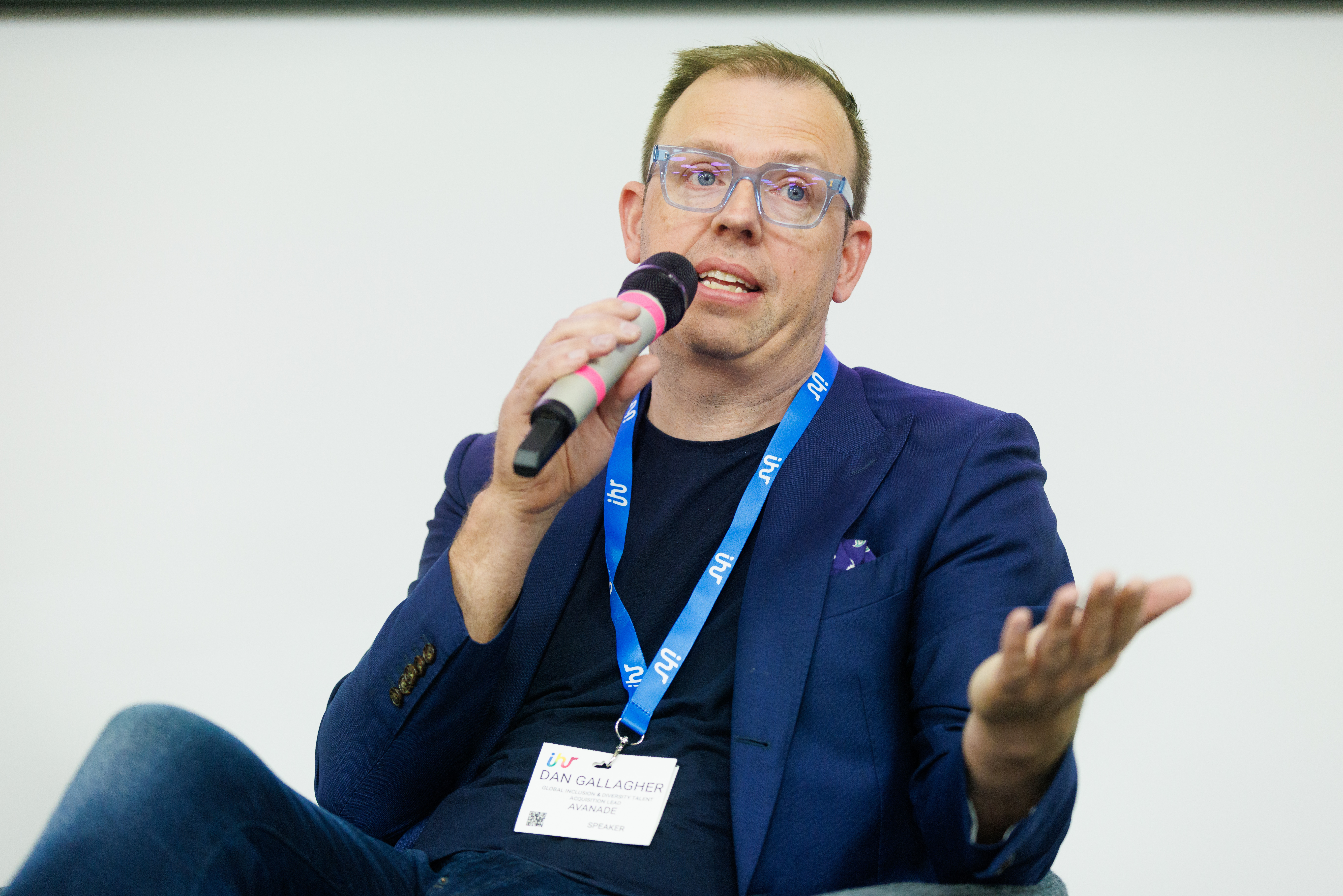
Dan Gallagher
Senior talent acquisition strategist and MA researcher in AI, Ethics and Society, with over 20 years experience in equity and inclusion in hiring.
The founding advisory council is being formed. Scholars will be announced here as they confirm. The council will bring together expertise across AI ethics and governance, equality law, labour rights, and human oversight and regulation.